
Resources
Everything you need to know about secure document redaction.
Start here
The most-read guides on document redaction.
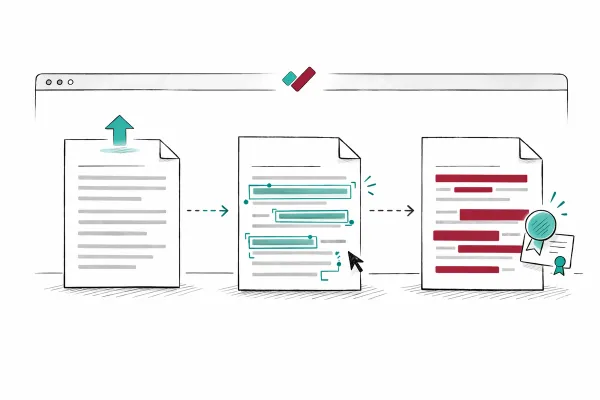
How to Redact a PDF So the Data Is Actually Gone
Drawing a black box over sensitive text in a PDF does not remove it. The text is still in the file, selectable and copyable by anyone with a basic PDF viewer. Genuine redaction permanently destroys the underlying data. Here's how to do it properly, whatever tool you're using and however many documents you're handling.
12 min read
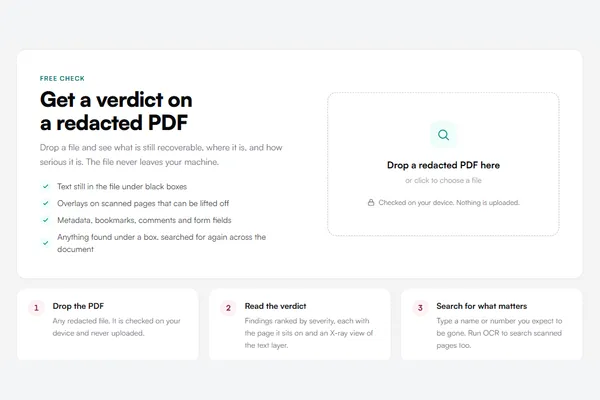
Redaction Checker: Find Out If a Redacted PDF Still Leaks
Most redaction checkers run a personal-data scanner over the whole document and hand you a long list of guesses. This one starts from the black boxes that are already there and asks a narrower question: is what sits under and around them really gone? It runs on your device, needs no account, and says what it checked and what it did not.
5 min read
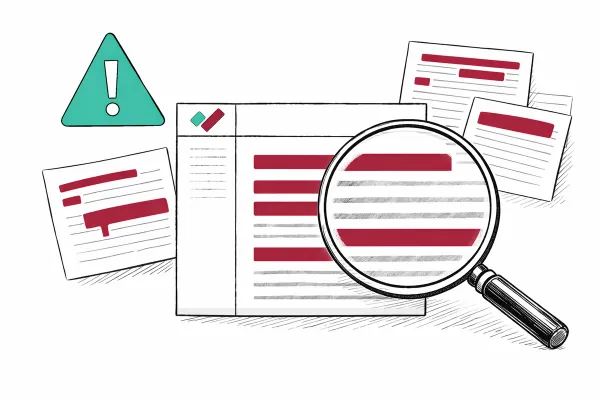
Five Redaction Mistakes That Expose Personal Data
Public bodies and law firms have been caught out by inadequate redaction - hidden text behind black boxes, overlay failures that anyone can reverse with a free PDF tool, metadata surviving the process entirely. These are the most common errors, illustrated by named cases.
9 min read
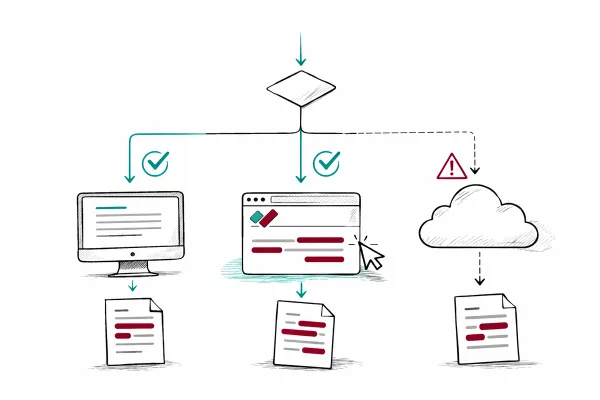
What to Look for When Choosing Redaction Software
Your firm has decided it needs a dedicated redaction tool. Maybe the volume of disclosure work or consumer data requests has outgrown the manual-Acrobat approach. Maybe a near-miss with overlay redaction prompted a review. Whatever the trigger, you're now comparing products - and the feature lists blur together quickly. This guide cuts through the marketing to help you evaluate what actually matters.
5 min read
Comparisons
See how RedactProof stacks up against other solutions.
RedactProof vs Adobe Acrobat
Acrobat Pro's redaction relies on manual selection and regex pattern matching - you define what to find, one pattern at a time. At $19.99/month, Standard plan users get no redaction whatsoever. The online web app doesn't offer it either.
6 min read
RedactProof vs Redactable
Both tools detect PII automatically. The difference is where your files go. Redactable uploads documents to AWS. RedactProof processes files in your browser - nothing sent to external servers.
6 min read
RedactProof vs Foxit PDF
Foxit's manual redaction tools work locally and pattern searches are solid. Their AI Smart Redact uploads to Azure and caps at 50 documents ($172.79/yr). RedactProof detects 60+ PII types in-browser with no upload and no document cap.
6 min read
RedactProof vs Nitro PDF
Nitro's desktop app has solid manual redaction tools that run locally. Smart Redact adds AI PII detection - but it is a separate add-on that uploads to Azure and is priced by document volume. RedactProof detects 60+ PII types in-browser with no upload and no per-document caps.
6 min read
RedactProof vs Smallpdf
Smallpdf offers redaction as one tool among 47 in a general PDF platform. There's no automated PII detection - you find and mark everything manually. Every file is uploaded to their servers. If redaction is your primary compliance task, there's a purpose-built alternative.
6 min read
RedactProof vs CaseGuard Studio
CaseGuard Studio is powerful on-premise software for video, audio, and document redaction on Windows. RedactProof is browser-based document redaction with public pricing and no installation. Here is how they compare.
9 min read
RedactProof vs SafeRedact
Both tools keep files in the browser, but only RedactProof keeps the text there too. The differences come down to PII detection depth, pricing structure, verification certificates, and batch processing support.
7 min read
RedactProof vs iDox.ai
iDox.ai brings enterprise compliance certifications - SOC 2, ISO 27001 - and cloud-based processing at scale. RedactProof processes documents entirely in your browser without any file upload. Which tool fits your team depends on your security model and compliance requirements.
7 min read
RedactProof vs Microsoft Word
Word has no built-in redaction feature. A black highlight over text is a formatting change: the words underneath are still there, selectable and recoverable. Court filings have leaked exactly this way. Word's Document Inspector cleans metadata, but for actual content redaction even independent guides on redacting Word documents agree the real redaction step needs a dedicated tool. RedactProof is that tool, and it runs in your browser with the document never leaving your device.
6 min read
RedactProof vs iLovePDF
iLovePDF is a solid general PDF toolkit, and its Redact PDF tool does remove content properly rather than just covering it. But the web tool processes your document on iLovePDF's servers, and its automatic detection covers three PII types: credit cards, phone numbers and emails. RedactProof detects 60+ PII types with the document never leaving your browser. Try it free on one document, no card and no upload required.
5 min read
RedactProof vs PDFescape
PDFescape's free online editor covers content with a whiteout box: the data underneath can remain in the file. Genuine permanent redaction is gated behind its paid Ultimate Desktop app, and the online editor stores your files on PDFescape's US servers in the meantime. RedactProof does true content removal in every tier, in your browser, with nothing uploaded. On Pro, every export includes a verification certificate, an Ed25519 signature and QR code, so recipients can confirm nothing changed after redaction.
5 min read
RedactProof vs PDF-XChange Editor
PDF-XChange Editor is the power user's bargain: a full Windows PDF editor with genuine content-removing redaction and a document sanitiser, for a one-time licence from $62. Its limits are the ones that matter for compliance work: Windows only, and redaction finds only the exact text you search for. RedactProof detects 60+ PII types automatically, in any browser on any machine, with a verification certificate on every export.
4 min read
RedactProof vs Tungsten Power PDF
Power PDF Advanced, formerly Kofax, is a capable Windows PDF editor with genuine redaction: search and redact across multiple documents, pattern matching, full-page redaction and Bates numbering, all processed locally for a one-time licence around £131. What it does not do is find sensitive content on its own. You define the searches. RedactProof detects 60+ PII types automatically in your browser, then you review and export with a verification certificate.
4 min read
RedactProof vs Objective Redact
Objective Redact is the established government redaction tool: a desktop application with FOI exemption codes, search and pattern redaction, and a vendor with decades of public-sector history. It is also quote-priced, IT-deployed and desktop-bound. RedactProof gives caseworkers automatic detection of 60+ PII types in the browser, published pricing, and a verifiable certificate on every export, working the same day, not the same quarter.
4 min read
RedactProof vs Files Editor
Files Editor is an online PDF service: every document you edit is uploaded to its servers, and its low-cost entry offer converts to an auto-renewing subscription that reviewers report at around $49.95 a month unless cancelled in time. RedactProof runs redaction entirely in your browser, shows the full price before you pay, and its free trial is one document, not a subscription clock.
4 min read
RedactProof vs PDFzorro
PDFzorro is a free online PDF editor with a blacken tool that draws a box over content. Independent analyses report that the text underneath stays in the file and can be recovered by selecting or extracting it. Your document is also uploaded to PDFzorro's servers to be edited. RedactProof permanently removes redacted content and does it in your browser, with nothing uploaded.
4 min read
RedactProof vs PII Anomalyzer
PII Anomalyzer gets the big thing right: documents are processed on your device, not in the cloud. The trade-off is a desktop install on Windows or macOS at $249 a year. RedactProof delivers the same local-processing principle in the browser: nothing to install, automatic detection of 60+ PII types, and a tamper-evident certificate on every export.
4 min read
RedactProof vs Philter Desktop
Philter Desktop shares RedactProof's core conviction: documents should be redacted on your computer, not on someone's server. The catch is that it is a Windows-only desktop install at $100 per user per year. RedactProof applies the same principle in the browser: Mac, Windows or Linux, nothing to install, automatic detection of 60+ PII types, and a verification certificate on every export.
4 min read
By application
How RedactProof fits specific teams and workflows.
For Legal teams
Disclosure, SAR and court bundles - redacted in your browser.
5 min read
For Healthcare professionals
De-identify patient records without uploading them anywhere.
5 min read
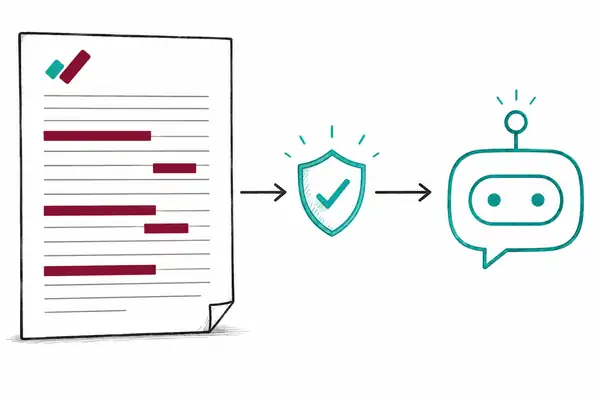
For Teams using AI
Strip PII before you paste into ChatGPT or Copilot.
6 min read
For Compliance teams
Subject access requests, handled without uploading a file.
5 min read
Guides
In-depth guides on document redaction and compliance.
How-To
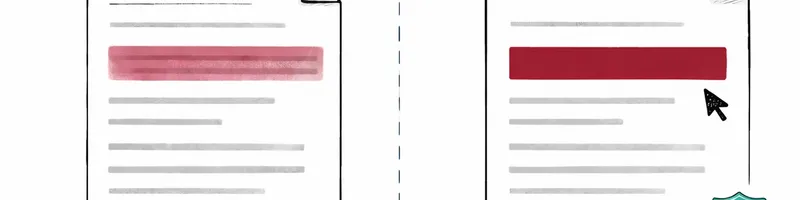
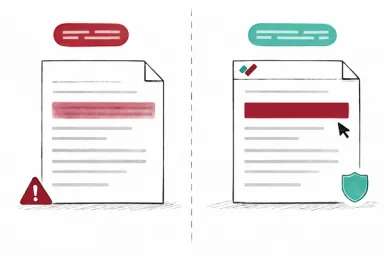
Overlay vs Pixel-Burn Redaction: One Protects Data, One Doesn't
Two methods look identical on screen. A black bar covers sensitive text. But underneath, they're fundamentally different. Overlay redaction places a visual layer on top of text that remains in the file. Pixel-burn redaction replaces the text with image data, permanently destroying it. Which one your tool uses determines whether your redacted documents are actually safe to share.
4 min read
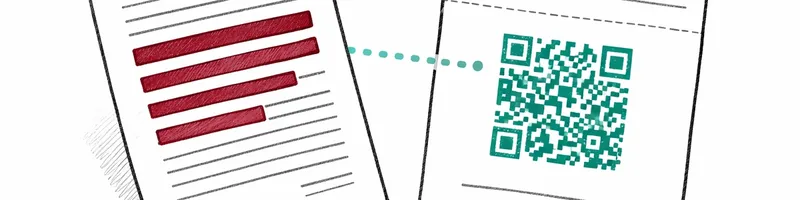
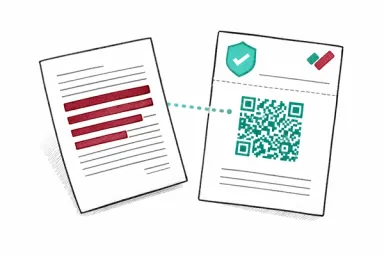
Redaction Verification Certificates
If someone questions whether a redacted document has been modified after export, you need tamper evidence. RedactProof generates Ed25519 digital signatures and SHA-256 hashes for every export, giving recipients a way to independently check document integrity.
6 min read

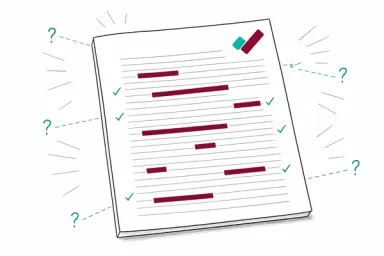
AI-Powered Redaction: How Automatic PII Detection Works (And When You Still Need a Human)
Automated redaction tools can flag hundreds of personal identifiers in seconds. But they fail in specific, predictable ways - and knowing which ones tells you exactly when human review cannot be skipped.
10 min read
Bulk Redaction: How to Process Multiple Documents in One Session
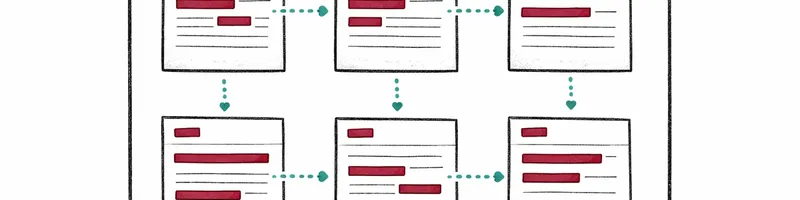
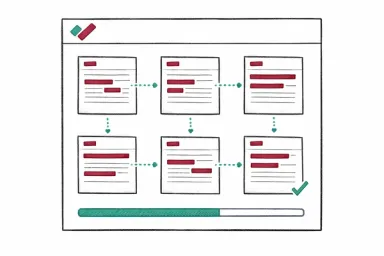
A paralegal handling a consumer data request sits down with 14 documents. Employment contracts, disciplinary notes, emails, a medical referral. Each document needs the same names redacted, the same SSN caught, the same home address removed. Doing them one at a time means repeating the same approvals 14 times.
6 min read
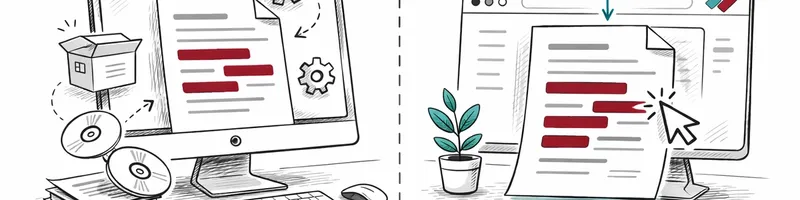
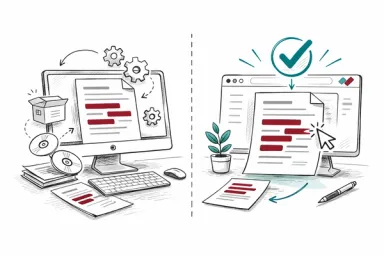
Browser-Based vs Desktop Redaction: A Practical Comparison
Desktop redaction tools have been the default for years. Adobe Acrobat, Foxit, Nitro - install the software, open the document, draw your redaction boxes. Browser-based tools are newer. They run in your web browser without installation. Both can do the job. The question is which fits your specific working situation.
4 min read
How to Redact Documents for Court Filing: Step-by-Step Guide
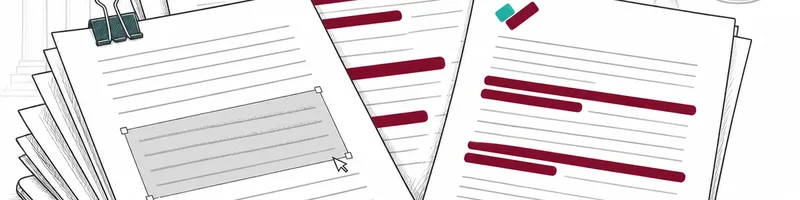
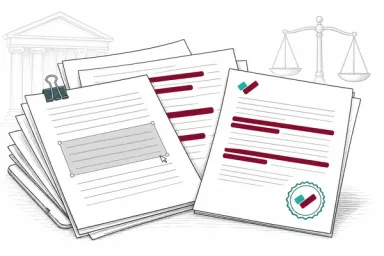
Court clerks reject filings, and judges issue sanctions when redaction goes wrong. This guide covers what UK CPR and US FRCP rules require you to remove, why the wrong tool creates real liability, and a practical workflow for consistent results.
9 min read

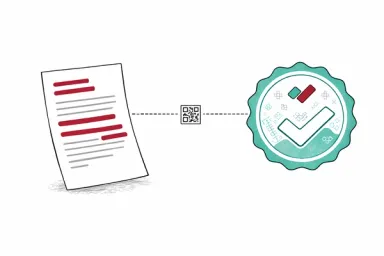
Verifying That a Redacted Document Hasn't Been Tampered With
You've redacted a document and shared it. The recipient questions whether the document has been altered since it was sent - whether content was added, removed, or modified after the fact. Without a verification mechanism, it's your word against their suspicion. Cryptographic verification certificates solve this by providing mathematical evidence of document integrity.
4 min read

How to Securely Disclose Documents to the Public
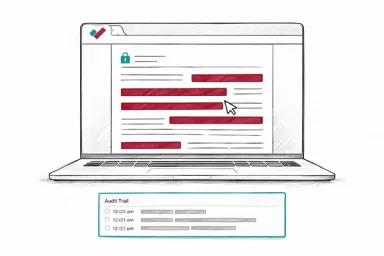
A municipal government publishes 200 pages of planning documents on its website after redacting the objectors' names and addresses. Within hours, a member of the public discovers that selecting the black boxes and pasting into a text editor reveals every name underneath. The authority has to pull the documents, notify the FTC, and contact every affected individual. The redaction looked right. The disclosure process was wrong.
7 min read
Compliance
Redacting Documents for FOIA, CCPA, and Public Records Requests
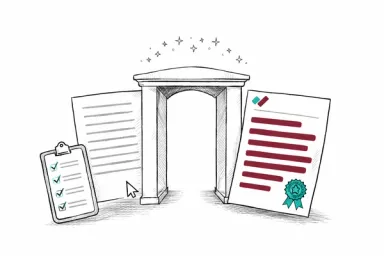
FOIA and state public records requests carry statutory response deadlines. So do CCPA consumer access requests and HIPAA right-of-access requests. All of them require reviewing documents, identifying what must be withheld or redacted, and applying permanent redaction before disclosure. The process is the same regardless of which framework applies.
11 min read

What Counts as Personal Data - and What to Do About It
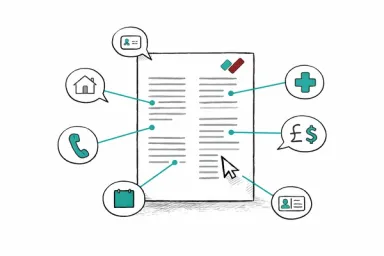
An HR administrator at a staffing agency sends a reference to a new employer. The reference includes the candidate's name, date of birth, Social Security Number, and absence record. All of that is personal data - personally identifiable information (PII) - and all of it is regulated. Knowing what qualifies as PII is the starting point for handling it properly.
4 min read

Redacting Medical Records: HIPAA, GDPR, and Practical Steps
A GP surgery responding to a records request from a patient's solicitor needs to remove third-party personal data and clinician notes that aren't part of the request. A US healthcare provider sharing records between facilities must strip identifiers under HIPAA Safe Harbor rules. Different regulations, similar practical challenge - and the same consequences if something is missed.
5 min read
Which HIPAA Safe Harbor Identifiers RedactProof Detects
Safe Harbor de-identification under 45 CFR 164.514(b)(2) means removing all 18 identifier categories - not the ones your software happens to catch. This page maps each identifier to RedactProof's automatic detection, and is equally clear about the categories that still need a manual pass. Verified July 2026.
4 min read

How to Build a Document Redaction Policy: Template and Checklist
A practical redaction policy skeleton with ten sections, bracketed placeholders, and commentary. Covers approved tools, authorized personnel, audit trail, training, escalation, and retention. Adapted for US privacy law and regulatory context.
11 min read

Document Redaction for Compliance Teams: Audit Reports, Regulatory Filings, and Investigations
Compliance teams share audit reports, regulatory submissions, and investigation files with external bodies who have no right to see every word. This guide covers what to remove, why the process needs to be defensible, and the two very different things "SAR" can mean.
9 min read
HIPAA De-identification: The Safe Harbor Method and 18 Identifiers
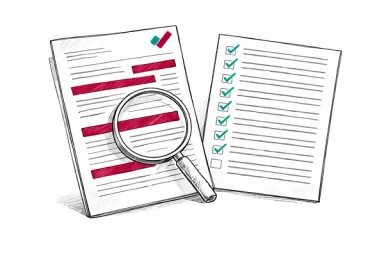
A compliance officer at a mid-size hospital network gets handed 200 patient records that need sharing with a research partner. The directive sounds simple: de-identify them under HIPAA. But "de-identify" covers two distinct methods with very different requirements - and picking the wrong approach, or applying the right one incompletely, creates liability that sits with the organisation. This guide breaks down the Safe Harbor method identifier by identifier.
9 min read
Industry
Choosing Redaction Software for Your Law Firm or Solo Practice
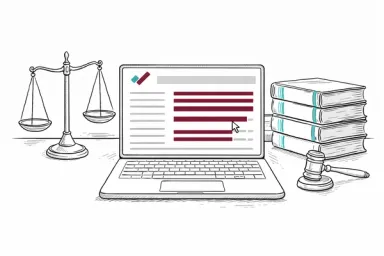
Attorneys and paralegals redact documents constantly - for discovery production, FOIA responses, and privacy access requests. Enterprise eDiscovery platforms are built for Biglaw litigation departments, not solo practitioners or paralegals with ten documents to process this week. This guide covers what features actually matter, how costs compare, and which tools suit which workloads.
4 min read
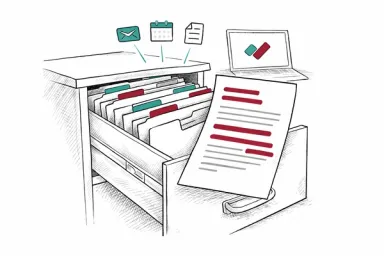
Redaction for HR: Employee Records, SARs, and Tribunal Bundles
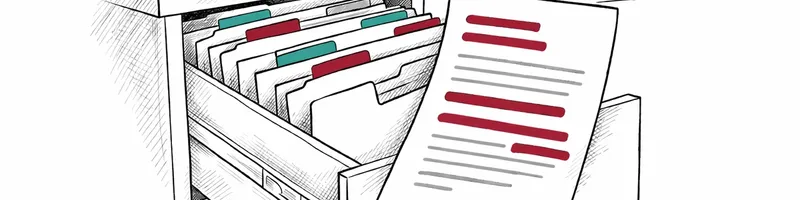
HR departments handle some of the most sensitive personal data in any organization. Disciplinary records, health information, salary details, grievance files - all of it regulated under state and federal law, all of it potentially subject to disclosure. When an employee submits a data request, or a matter escalates to an EEOC charge or employment litigation, someone in HR has to redact the documents. That someone is often working against a deadline without dedicated redaction tools.
7 min read
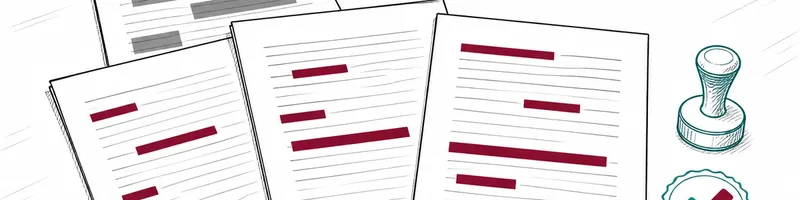
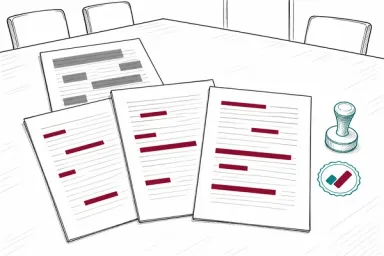
How to Redact Contracts Before Sharing With Counterparties and Regulators
Overlay redaction - drawing black boxes in Word or a PDF editor - leaves text selectable underneath. For in-house teams sharing contracts with counterparties, regulators, or courts, this guide covers what proper redaction looks like and where it typically breaks down.
12 min read
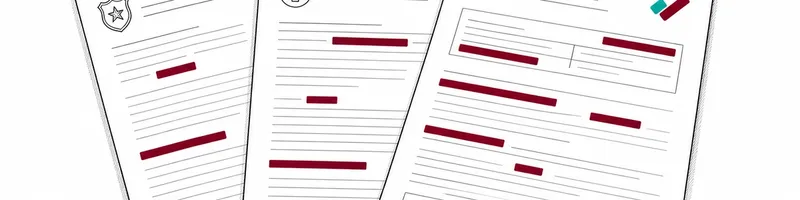
How to Redact Insurance Claim Documents: PII Protection for Claims Handlers
Insurance claim files are among the most data-dense documents in any industry - one motor claim can contain personal data for a policyholder, claimant, witnesses, a GP, and a solicitor. This guide covers what to redact before each type of third-party disclosure.
12 min read

Redacting Tax Returns and Financial Documents: Guide for Accountants
Tax files are packed with identifiers - UTRs, NI numbers, bank details - that your client never intended to share beyond HMRC. This guide walks through what to redact before a document leaves your office, and how to do it without creating a liability.
10 min read
Secure Document Redaction for Journalists: Protecting Sources When Publishing
When a document leaves your device for a third-party server, it creates a chain of custody you cannot control. For journalists working with source-sensitive materials, the architecture of your redaction tool is as important as the redaction itself.
12 min read

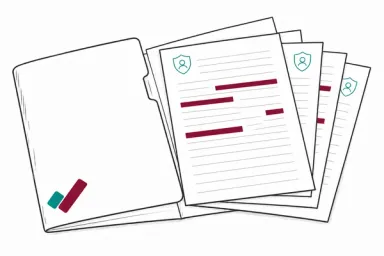
Student Record Redaction: GDPR and FERPA Compliance for Schools
From SAR responses to SEND tribunal bundles and safeguarding referrals, schools hold some of the most sensitive data in any sector - often with limited resources. This guide covers what to redact, when, and the different rules that apply in the UK and US.
9 min read

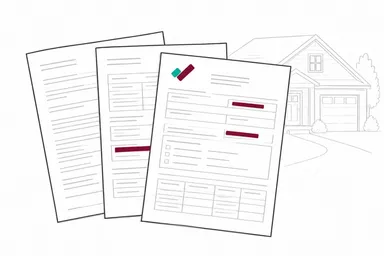
Real Estate Document Redaction: A Privacy Guide for US Agents and Brokers
Every property transaction generates a file full of SSNs, background check reports, identity documents, and financial disclosures. Multiple federal laws govern how that data is handled - FCRA, GLBA, RESPA, and a growing patchwork of state privacy laws led by CCPA. This guide covers what to redact, when, and why - written for agents and brokers, not compliance attorneys.
1 min read
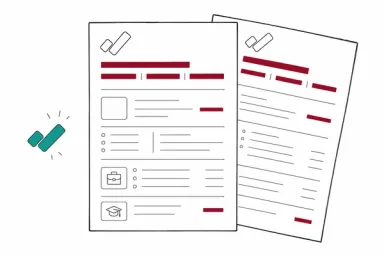
How to Redact Resumes and Hiring Documents: A Privacy Guide for US Recruiters
US hiring teams handle resumes, background check reports, Form I-9 records, and AI screening outputs - each carrying distinct privacy obligations under the FCRA, CCPA, EEOC law, and state ban-the-box statutes. This guide covers what to redact, when, and why.
1 min read
Ready to get started?
Create a free account and start redacting documents securely in your browser.